
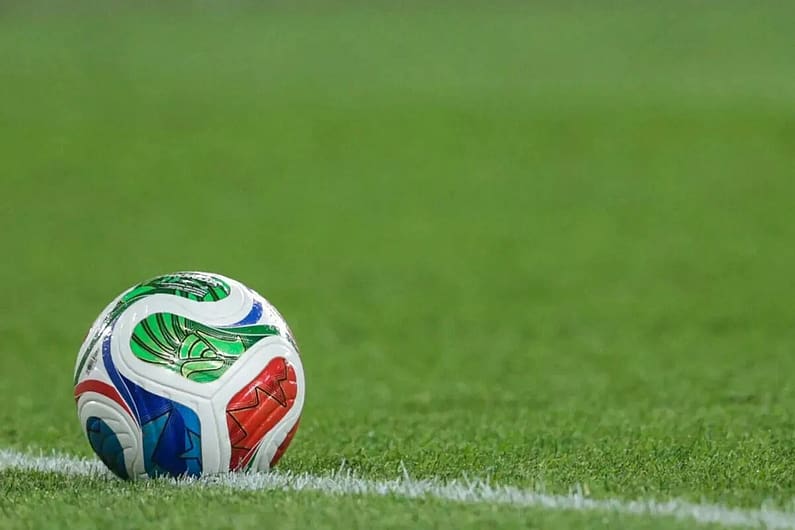
The World Cup betting boom is no longer a future projection. With the 2026 tournament expanding to 48 teams and 104 matches, bettors are facing a market that is deeper, faster, and more crowded than any World Cup board before it.
That scale matters because bigger betting volume does not automatically create better value. It can also create sharper prices, faster line movement, heavier public bias, and more pressure on bettors to understand which numbers have already moved too far.
That same pressure is why bettors comparing sports betting sites need to think beyond bonuses and brand names during a tournament this large. The real edge comes from price quality, market depth, live-betting stability, and how quickly each book reacts to team news.
The World Cup Betting Boom Is Bigger Than Match Picks
The 2026 World Cup is the first edition with 48 teams, 12 groups, a Round of 32, and 104 total matches. That is a major shift from the 32-team, 64-match format used in Qatar in 2022.
For bettors, the expansion changes the rhythm of the tournament. There are more group-stage matches, more futures markets, more player props, more team totals, more live-betting windows, and more chances for sportsbooks to adjust prices quickly.
That is why the World Cup betting boom should not be viewed only as a soccer story. It is also a sportsbook technology story, a market-liquidity story, and a casual-bettor behavior story.
The event is likely to attract experienced soccer bettors, casual fans, patriotic bettors, futures players, prop bettors, live bettors, and people who may only wager because the World Cup is everywhere. That mix can create both opportunity and risk.
The opportunity comes when public money pushes prices away from fair value. The risk comes when bettors mistake a bigger board for an easier board. More betting options do not mean more good bets.
Why Bigger Betting Volume Can Make The Board Tougher
A record betting event sounds like good news for bettors, but bigger volume can make markets harder to beat. When more money enters the board, sportsbooks receive more information, adjust faster, and sharpen prices around injuries, lineups, tactics, and public demand.
That does not mean every World Cup number will be efficient. It does mean lazy betting becomes more expensive.
Casual bettors often chase familiar teams, famous players, overs, and emotional storylines. During the World Cup, those habits become stronger because national pride and global attention pull more casual money into the market.
A popular favorite may still win, but the moneyline can become too expensive. A star forward may still be dangerous, but his anytime-goalscorer prop can be inflated. A marquee match may feel like an over because the audience expects entertainment, but the tactical incentives may point toward a slower game.
This is the core tension of the World Cup betting boom. The market gets larger, but not always softer. Bettors who are late to obvious angles may end up paying the worst price.
The smarter approach is to treat every number as a price, not a prediction. A team can be better and still be a bad bet. An underdog can be weaker and still be valuable if the line gives it too much room.
The Expanded Format Changes How Bettors Read Motivation
The 48-team format gives bettors more matches, but it also creates more complicated tournament incentives. Teams are no longer just fighting through the older 32-team structure. The Round of 32 adds another layer, and the group-stage math can make some final matches less straightforward.
Some teams may need a win. Others may need only a draw. Some may already be through. Others may need goal difference. A few may be eliminated but still motivated by pride, future selection, or national pressure.
That matters because motivation can change the way a match is played.
A team that needs three points may attack earlier, press higher, and take more risks. A team that needs only a draw may manage tempo and protect central spaces. A team that has already qualified may rotate starters, reduce intensity, or avoid disciplinary risk. A team chasing goal difference may continue pressing even after taking a lead.
Those details can affect moneylines, spreads, totals, team totals, corner markets, card markets, and player props. They also make live betting more important because tactics can become clearer only after kickoff.
The mistake is treating every World Cup match like a normal league game. Tournament context often matters as much as team strength.
USA vs Turkey Shows Why Context Can Beat Reputation
USA vs Turkey is a strong example of why bettors need more than a power ranking. The United States entering a match after already securing its group position creates a very different betting conversation from a must-win scenario.
That does not automatically make the U.S. a bad bet or Turkey a good one. It means the pregame number needs to be read through rotation, motivation, player management, and tactical intent.
A qualified team may still want rhythm. It may want to keep confidence high before the knockout stage. It may also want to protect key players, manage minutes, and avoid injuries. Those priorities can conflict with what casual bettors expect from a favorite.
An eliminated team can also be difficult to price. Some eliminated teams play freely. Others lose structure. Some push for pride. Others rotate younger players or fade after conceding first.
That uncertainty can make derivative markets more attractive than the basic moneyline. If rotation is likely, a bettor might focus on totals, first-half markets, team totals, or live entries after seeing the actual energy level. If the favorite starts slowly, live markets may offer a better number than pregame odds.
This is where motivation becomes a betting variable, not just a storyline.
Live Betting Could Become The Real World Cup Battleground
The expanded tournament gives sportsbooks more pregame markets, but live betting may be where the largest pressure appears. Soccer odds can change dramatically after one goal, one substitution, one red card, one injury, or one scoreboard update from another group match.
Game state drives soccer betting. A favorite that scores early may stop forcing the match. An underdog that survives the opening 30 minutes may become more valuable on a spread or double-chance angle. A team chasing qualification may become more aggressive if another result goes against it.
That makes live betting attractive, but it also makes it dangerous.
Many bettors use live markets emotionally. They chase after a goal, panic after early pressure, or assume momentum will continue forever. The best live bettors are not simply reacting faster. They are reacting with a plan.
Before kickoff, bettors should already know what they are watching for. Is the favorite pressing with its first-choice players? Is the underdog sitting deep or countering with purpose? Is the referee allowing contact? Is the tempo matching the pregame total? Are substitutions likely to improve or weaken one side?
Live betting rewards preparation, not panic. A bettor who knows the expected script can identify when the market is overreacting. A bettor who is only watching the score may be too late.
Public Bias Could Distort Star Teams And Props
The World Cup attracts a different kind of betting crowd. Many people who rarely bet soccer will still bet on national teams, star names, emotional narratives, and televised storylines.
That public attention can distort prices.
Major nations often attract money because bettors trust the badge. Famous players attract prop action because bettors want to have a rooting interest. Overs can become popular because casual fans prefer goals. Futures on tournament favorites can shorten quickly if public demand builds after one impressive performance.
None of those bets are automatically wrong. The problem is price.
If a star player’s shot prop climbs too high, the better value may be on the under or on a teammate whose role is being overlooked. If a major team becomes heavily priced in a group match it does not need to win, the underdog spread may deserve attention. If a public favorite moves too far in the futures market, the value may shift to a less fashionable contender with a cleaner bracket path.
That is why the best World Cup bet may be the one the public is ignoring.
Public bias is not always obvious. Sometimes it shows up in a moneyline. Sometimes it appears in a prop. Sometimes it appears in the total. Bettors should ask whether the market is pricing the match or pricing the audience’s expectation of the match.
Sportsbooks Will Be Tested By Speed And Market Depth
The World Cup betting boom is also a stress test for sportsbooks. A 104-match tournament creates nonstop demand across pregame markets, live markets, props, futures, parlays, same-game parlays, and cash-out features.
That matters because not all sportsbooks handle market pressure the same way.
Some books may move quickly on lineup news. Others may be slower but offer less favorable limits. Some may provide deeper prop menus. Others may have stronger live-betting products. Some may suspend markets aggressively during dangerous attacks, while others keep more markets open but adjust prices faster.
For bettors, those differences matter. The best price on a World Cup match may not be at the most familiar sportsbook. The best live number may not be at the book with the flashiest interface. The best futures market may be available before a team becomes a public story.
Shopping lines becomes more important when the event is large. A small difference in price may look minor on one bet, but across a long tournament it can change long-term results.
Bettors should also understand that sportsbook limits and market availability can vary. Props may move quickly. Live markets may suspend often. Same-game parlays may look attractive but include hidden pricing disadvantages if bettors do not compare individual legs.
The bigger the tournament, the more important it is to choose the right market and the right price.
The Key Betting Signals Are Not Always On The Scoreboard
World Cup bettors often focus on the obvious information: who won, who scored, and who looked dangerous. Those details matter, but they are not always the best betting signals.
The better signals often sit beneath the scoreboard.
| Betting Signal | Why It Matters | Market Most Affected |
|---|---|---|
| Qualification status | Teams may rotate or manage risk | Moneyline and spreads |
| Goal difference pressure | Some teams may keep attacking | Totals and team totals |
| Yellow-card risk | Key players may be protected | Props and starting lineups |
| Public team popularity | Famous sides can become overpriced | Moneyline and futures |
| Early goal impact | Tactics can change immediately | Live betting markets |
| Substitution pattern | Managers reveal priorities | Props and second-half betting |
These signals help bettors understand whether the market is reacting to the right information.
A team winning 2-0 may look dominant, but if both goals came from rare mistakes and the opponent created better chances, the next market may overrate the winner. A favorite that draws may look disappointing, but if it rested starters and still controlled the match, the reaction may go too far.
The World Cup creates a short attention cycle. Bettors remember the last result, the last goal, and the last viral clip. Sportsbooks know this. So do sharper bettors.
The edge comes from looking past the surface.
Futures Betting Requires A Different Kind Of Discipline
The World Cup betting boom will not only affect single-match markets. Futures betting will also attract heavy attention, especially as teams move through the group stage and bracket paths become clearer.
Futures markets are appealing because they give bettors a long-term position. But they also carry different risks.
A team can be strong and still have a poor futures price. A tournament favorite may have a difficult knockout path. A team with an easy group may still face a dangerous Round of 32 opponent. A contender may look undervalued before the tournament but become overpriced after one big win.
Bettors should avoid futures bets based only on reputation. The better approach is to compare team quality, bracket path, injury risk, squad depth, tactical flexibility, and price.
Live futures can also create opportunity. If a strong team starts slowly but remains likely to advance, its price may drift. If a popular team wins big against weak opposition, its price may shorten too aggressively.
The biggest futures mistake is falling in love with the winner instead of the number. A bettor does not need to identify the eventual champion in June to make a good futures bet. They need to find a price that is stronger than the team’s real path probability.
That same logic applies to group winners, top scorer markets, Golden Ball markets, and team-stage specials. The longer the market, the more price discipline matters.
Bettors Need A Plan Before The Knockout Stage
The knockout stage will bring even more pressure because public interest usually rises as the field narrows. Casual bettors who ignored early group matches may begin betting once the recognizable teams remain.
That can make prices tighter and narratives louder.
Knockout soccer also changes the market. Extra time, penalties, tactical caution, and risk management all become more important. A team may not need to win inside 90 minutes to advance. That can create confusion for bettors who do not understand the difference between three-way moneylines, draw-no-bet markets, spread equivalents, and “to qualify” prices.
This distinction is critical. A team can be the better side and still draw after 90 minutes. A bettor who takes the wrong market can lose even if the team eventually advances.
Totals may also behave differently in knockout matches. Some teams become more cautious because one mistake can end the tournament. Others open up if they concede early. The first goal can completely reshape the live market.
Before the knockout stage, bettors should review how each market settles. They should know whether a bet applies to 90 minutes only or includes extra time and penalties. They should also avoid assuming that a stronger team will automatically cover a spread in a match where survival matters more than margin.
The deeper the tournament goes, the more details matter.
Smarter Bettors Will Track The Market, Not The Noise
The World Cup betting boom gives bettors more choices than ever, but more choice also creates more ways to make bad decisions. The sharper process starts with team news, motivation, price movement, tournament context, and market selection.
Before placing a bet, bettors should ask whether the number reflects the latest lineup information. They should check whether the market has already reacted. They should know whether the team needs to win, draw, protect players, or chase goal difference. They should also be willing to pass when the best price is gone.
The opportunity is not simply that more matches are available. The opportunity is that more casual money, more live movement, and more tournament scenarios can create temporary mispricing.
That is where disciplined bettors have a real edge. The 2026 World Cup may become the biggest betting event ever, but the smartest players will not be trying to bet every match. They will be trying to find the few numbers that still have not caught up.
The World Cup betting boom matters because it changes the scale, speed, and psychology of the market all at once. Bettors who understand that shift will not treat the tournament like a normal soccer schedule. They will treat it like a moving market where timing, price, and discipline decide whether the biggest betting event ever becomes an opportunity or a trap.
World Cup Betting Boom FAQ’s
Why is the 2026 World Cup expected to be such a major betting event?
The 2026 World Cup has 48 teams and 104 matches, creating more betting markets than past tournaments. The larger format, U.S. access, and global audience make it unusually attractive for sportsbooks and bettors.
Is more World Cup betting volume good for bettors?
Not always. More volume can create more market options, but it can also make odds sharper and faster to move. Bettors still need discipline, price awareness, and matchup context.
What should bettors watch before betting World Cup matches?
Bettors should watch lineups, qualification scenarios, injuries, yellow-card risk, motivation, public betting pressure, and live odds movement. Tournament context can change the value of moneylines, totals, props, and futures.