

Every serious bettor faces a big challenge. You’ve done your homework and placed a smart bet with a positive expected value (EV). But, the journey to profit is full of gut-wrenching volatility that can shake your confidence.
So, how do you handle this rollercoaster without losing the edge that makes your strategy profitable? The answer is in a smart financial tool: strategic hedging.
Hedging is not about giving up on your pick. It’s about managing risk wisely. It uses the same math as arbitrage or surebet logic. You secure certain outcomes to cut down on uncertainty.
This method is all about making a smart utility trade-off. You’re weighing the chance of profit against the need for peace of mind and a stable portfolio. It’s a step away from just guessing.
For strategic pros, we offer a framework-based approach. This guide will show you how to manage variance while keeping your EV safe. You’ll learn to handle futures, parlay, and live betting scenarios with confidence.
Hedge or hold?
The main challenge in sports betting isn’t just picking winners. It’s figuring out what to do after you’ve made a choice. Your futures ticket is winning, your live bet is doing well, or your parlay is almost there. The urge to “lock it in!” is strong. But is it smart?
Seeing betting as a business changes things. It shifts from “Do I feel lucky?” to “What’s the best way to use my money here?”. Professionals use expected value (EV) and bankroll management to guide their decisions.
Every hedge is a trade. You give up future possibilities for a sure profit today. The math is straightforward: if a hedge offers more value than your original bet, hedge. If your original bet has a stronger edge, hold.
The “hold” decision must be based on a clear, measurable edge. Has new information changed your bet’s value? Or does your analysis show you’re right? Betting because it feels good is speculation. Betting because the numbers support you is investment.
You don’t have to choose all or nothing. A partial hedge is a strategic middle ground. It lets you aim for a profit or manage risk without giving up on your original bet’s upside. It’s a smart way to balance risk and keep some of your initial bet’s value.
In the end, whether you hedge, hold, or use a partial hedge, your decision should come from your business plan. It’s about managing risk and protecting your money, so you can keep betting with an edge. The next step is learning how to size these partial hedges right.
Partial hedges: target bankroll volatility, not feelings
The most effective hedging strategy isn’t a simple yes or no. It’s about fine-tuning to control your bankroll’s ups and downs. This is what a partial hedge is all about. It moves you from basic decisions to strategic financial planning.
Emotional hedging is about reacting to changes. You might hedge because you’re scared, trying to feel safe. But strategic hedging is about planning ahead. It’s about sticking to a plan, not letting emotions control your bets.
The key idea is simple yet powerful. Your hedge size should match your desired bankroll stability. It should not be based on fear or greed. You decide how much risk you can handle, aiming to reduce bankroll swings.
To figure this out, we use a method from arbitrage betting. In arbitrage, you calculate stakes to ensure profit, no matter the outcome. For a partial hedge, we apply a similar method to find the right hedge size for a lower-risk profit.
Here’s a simplified walkthrough of the methodology:
- Define Your Target: Set the maximum loss you’re okay with on the original bet. This is your risk tolerance.
- Gather the Numbers: You need the current odds for both your original bet and the opposing outcome.
- Apply the Formula: The hedge stake = (Expected Profit on Original Bet – Target Max Loss) / (Hedge Odds). This formula helps find the exact hedge amount for your desired outcome.

Let’s say you bet $100 at +600 to win $600. The game is close, and you want to ensure at least a $300 profit. The opposing side is -200. Your hedge stake = ($600 profit – $300 target) / (1.5 for -200 odds) = $200. Betting $200 on the opposite side guarantees a $300 profit, making your bet safer.
This method creates a synthetic cash-out. You’re not fully exiting the bet. Instead, you’re making it safer. You know your loss is capped, but you keep a part of the bet’s big win.
This approach makes hedging a repeatable strategy. It’s the core of the complete guide to hedging. We’ll provide a worksheet in Section 7 to help you find the right hedge size based on your risk preference.
The change is key. You stop wondering if you should hedge. You start thinking about the right volatility level for your bankroll. This is how you focus on numbers, not emotions, in hedging sports positions.
Dutching opponents pregame; live hedges off momentum or injuries
Dutching and live hedging are advanced strategies. They help you manage risk based on game scenarios. These methods go beyond just win or lose bets. They let you create precise financial positions.
Dutching is a pre-game strategy. You bet on multiple outcomes to ensure profit or limit loss. It’s not just betting on all sides of a game. For future bettors, it’s a powerful tool.
Imagine betting on a team to win a tournament. Once they advance, you can “dutch” the remaining opponents. This creates a synthetic position. You ensure a minimum return, no matter who wins.
The second tactic is live hedging. It involves adjusting bets during the game. This happens when something changes the game’s expected outcome.
Common triggers include a key injury or a sudden change in momentum. Your initial bet might now be at risk. A live hedge on the opposing side can secure a profit or cut a loss.
Speed is key. Odds can change quickly after a major event. You need a fast sportsbook or exchange. The table below compares these core hedging sports positions.
| Strategy | Timing | Primary Goal | Key Triggers | Major Risks |
|---|---|---|---|---|
| Dutching | Pre-game | Create a synthetic, risk-controlled position; lock in futures profit. | Advancement in a tournament bracket; locking in arb opportunities. | Miscalculating stake sizes; reduced overall profit. |
| Live Hedge | In-play | React to new information to protect bankroll; secure a guaranteed return. | Key player injury, momentum swing, score change altering probability. | Odds changing before execution; market suspension; slow platform. |
Mastering these strategies makes you an active portfolio manager. Use dutching for favorable conditions before the game. Use live hedges for quick responses to unexpected events.
Synthetic cash‑outs using opposite sides/exchanges; rules for voids and house terms
Instead of settling for a less-than-ideal cash-out, you can craft a better exit plan. Lay the opposite side on a betting exchange. Sportsbook cash-out offers often aim to keep the house edge, leaving value on the table. A synthetic cash-out lets you create your own exit by setting up an arbitrage position across different platforms.
This method is a strong way to hedging sports positions. It turns a live bet into a near-certain profit. You control the price and timing.
The basic idea is simple. If you bet on Team A to win, you can “cash out” by betting on Team A to lose (or draw) elsewhere. You can do this in two main ways:
- Using a Betting Exchange: Place a “Lay” bet against your original bet. If you backed Team A, now lay Team A. This directly opposes your initial bet on the same market.
- Using a Different Sportsbook: Find another bookmaker with odds on the opposite outcome. Bet on Team B to win, effectively canceling out your original bet.
Both methods close your original position synthetically. The profit or loss is locked in, minus transaction costs.
Understanding the Exchanges vs Books Dynamic
The choice between an exchange and a rival book is key. Exchanges like Betfair operate a peer-to-peer model. Users bet against each other, not the house.
You need to know two important terms:
- Back: A bet for an outcome to happen (your original bet).
- Lay: A bet for an outcome not to happen (your hedge).
Liquidity is vital for exchanges. You need enough money in the market to match your lay bet at your desired odds. Thin markets can make large synthetic cash-out orders hard to fill. Exchanges also charge a commission on net winnings, reducing your profit.
Traditional sportsbooks are simpler but offer less control. You bet against the house’s odds. The exchanges vs books choice often depends on liquidity needs and price sensitivity.
The Vital Warning: Rules That Sabotage Your Hedge
This powerful tool has risks. Sportsbook and exchange rules can ruin your plan. Always check the house terms.
Game Voids and Cancellations: If an event is postponed or voided, your original bet may be refunded. Your opposing hedge, though, might stand on another platform with different rules. This could leave you with an unwanted position.
Listed Pitcher Rules (MLB): In baseball, many books have “action/no action” rules. If a listed pitcher doesn’t start, your bet may be voided. Your hedge on another site might not have the same rule. You could end up with only the hedge bet active, flipping your intended risk.
Correlated Parlays: Trying to synthetically cash out one leg of a parlay is very risky. The outcomes are linked. Hedging one leg can create a worse combined position if the other legs are pending.
Mastering the synthetic cash-out requires understanding both the mechanics and the fine print. It transforms you from a passive accepter of sportsbook offers to an active manager of your hedging sports positions. You set the terms. You capture the value.
Before executing, always check the specific rules on both sides of the trade. Confirm void policies, settlement terms, and any market correlations. This knowledge turns a clever idea into a reliable profit-locking strategy.
Futures trees: advancing rounds, exposure netting, tax/rollover notes
Hedging sports positions in tournaments is more than just cashing out. It’s about managing your exposure as new info comes in. A futures tree is your guide. It shows your possible paths and choices as a team moves through the playoffs.
Imagine betting on an NFL team to win the Super Bowl before the season starts. That’s the main bet. Each playoff win adds a new branch. Your strategy must change at each branch to make sure you profit or limit losses.
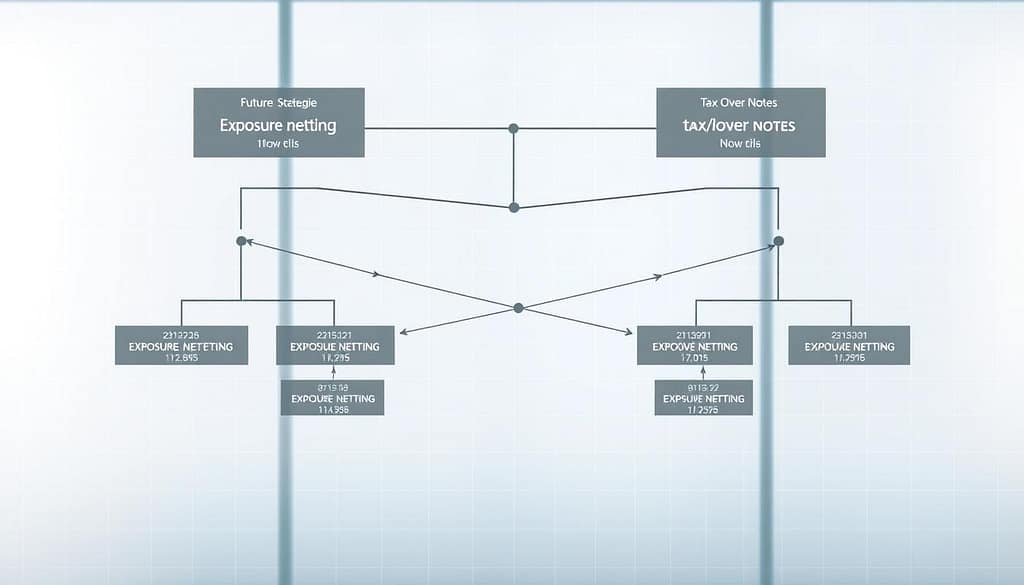
Let’s look at two scenarios. First, you bet on a team to win the conference championship. If they make the playoffs, you might bet against them in the first round or on their opponent.
Second, if your team wins a semi-final, you’re close to a big win. A hedge during the final game or a bet on the opponent can secure a profit. This is the top of the tree.
The key idea is exposure netting. You don’t just close one bet. You make new bets to manage your risk. It’s like adjusting your investment portfolio after a big change.
Your new bets help reduce risk. They come from knowing the difference between exchanges vs books. Often, the best odds for hedging are on betting exchanges, where you bet against other people.
| Tournament Stage | Your Initial Future | Recommended Hedging Action | Primary Goal |
|---|---|---|---|
| Regular Season | Team to Win Championship | Monitor odds; consider partial hedge if odds collapse. | Preserve equity while maintaining upside. |
| Playoffs / Conference Round | Team to Win Conference | Bet against your team in a specific playoff game or Dutch their opponents. | Lock in profit from conference future, reduce playoff game variance. |
| Semi-Finals | Team to Win Championship | Place a significant bet on the opposing finalist, or use live betting during the final. | Create a guaranteed, risk-free profit regardless of the final outcome. |
| Championship Secured | N/A | No hedge needed; collect full payout. | Maximize total return. |
Two advanced notes are key. First, tax implications. In the U.S., securing a win mid-season is taxable. The IRS sees the profit as income that year, even if you haven’t collected all the money.
Second, rollover requirements. If your original bet was with bonus funds, check the rules before hedging. Hedging might break playthrough rules. Cashing out early could lose the bonus. Always know the rules.
These rules lead to a basic utility trade-off. Do you want the biggest profit or a sure thing? Every hedge choice balances profit against peace of mind and rules like taxes and playthroughs.
Creating a futures tree makes you think ahead. It turns a passive bet into an active, managed position. You become a portfolio manager, not just a fan with a ticket.
Worksheet: hedge size by EV/variance preference
This worksheet helps you turn theory into action. First, figure out the remaining expected value (EV) of your open position. Use your original stake, odds, and current market prices.
Next, think about your risk tolerance. Decide how much bankroll volatility you can handle. This choice will tell you if you need a full or partial hedge.
Now, calculate the exact hedge stake. Use arbitrage math to find the bet size for your target profit or risk reduction. This is key to managing your hedging sports positions.
Choose how to execute your hedge. For multiple outcomes, dutching across opponents might work. For a guaranteed return, a synthetic cash-out via an exchange lay bet could be best. Always check for any void rules.
By following this framework, managing volatility becomes a precise process. Hedging sports positions becomes a reliable tool for betting pros.