
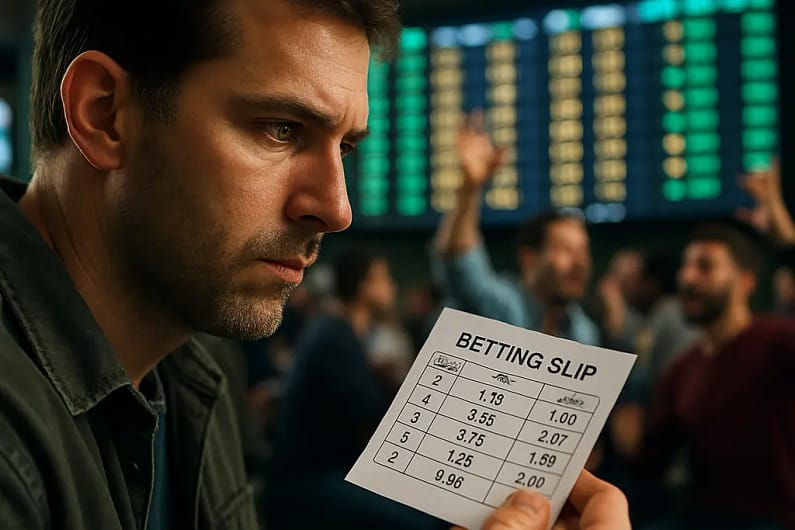
NFL Sportsbook Pricing is most useful before the 2026 season kickoff when it is treated as a market-quality exercise, not a prediction tool. As of September 7, 2026, the NFL regular season had not started; Week 1 was scheduled to begin on September 9, 2026. That timing matters because preseason and early regular-season boards can show disagreement across books before limits, news reaction, and public demand settle closer to kickoff.
The goal here is not to identify a side. It is to evaluate where the same game was priced differently and what that says about bettor decision-making. A half point, a slightly different moneyline, or a total that holds steady while another market moves can change the cost of an opinion. That cost is easy to ignore when the bettor is focused on a team story. It is harder to ignore when the same wager carries different terms across operators.
NFL Sportsbook Pricing Signals Before Kickoff
NFL Sportsbook Pricing And The Half Point
On July 31, 2026, a Week 1 opening-board snapshot across nine books showed the New England Patriots vs. Seattle Seahawks opener, scheduled for September 9, with a consensus spread of Seattle -4. The same snapshot showed disagreement from Seattle -3.5 to Seattle -4.5, while the total opened at 44.5 with no movement at that initial board point, according to the Bankroll Guardian board. That range is a clean example of why price comparison is not cosmetic. A bettor seeing -3.5 at one book and -4.5 at another is not seeing the same cost, even if the market headline says “Seattle favored.”
The same opening-board research noted a Week 1 matchup in which some sportsbooks posted the Lions at -6.5 while the consensus was -7. That half point sits around a key spread number. In practical terms, it illustrates why a bettor can be right about market direction and still take a worse price than necessary. The psychology is familiar: once someone forms a view, they often rush to confirm it instead of checking whether the market offers a less expensive expression of that view.
Why The Opener Is Not The Whole Market
An opener is a reference point, not a verdict. Early NFL markets can carry lower liquidity than later-week markets, and line differences can reflect timing, risk tolerance, and book-specific customer flow. The July 31 snapshot is still valuable because it shows that variance existed before the first game was played. A sound NFL Sportsbook Pricing read treats those numbers as evidence of market disagreement, then waits for current operator screens before any decision is made.
There is also a behavioral trap here. Bettors often anchor to the first number they see. If the first number was Seattle -4.5, then -4 can feel like a discount. If the first number was -3.5, then -4 can feel expensive. Both reactions are emotional shortcuts. The cleaner method is to compare available prices at the time of action and record whether the number taken was better, worse, or equal to the broader market.
Where Variance Shows Up On Week 1 Boards
Spread, Total, And Moneyline Context
Pricing variance does not only appear on spreads. The Sunday, September 13, 2026 Jets at Titans matchup was listed on a multi-book NFL board with a consensus spread of Titans -1.5 and a total of 39.5; the same board showed moneyline pricing around Jets +110 and Titans -125, with odds subject to movement before kickoff, according to Daily Locks NFL odds. That small-market profile is useful because the spread is near pick’em territory, so the moneyline becomes a clearer way to see how books are charging for each side.
Moneylines can feel simpler than spreads because there is no point margin attached. That simplicity can create overconfidence. A bettor may think in terms of “who wins” and overlook the implied price. At +110, the Jets side is not the same economic decision as a better or worse plus-price elsewhere. At -125, the Titans side carries a cost that should be compared against alternative screens before it is accepted.
Totals deserve the same caution. The Patriots-Seahawks total of 44.5 on the July 31 opening snapshot did not show movement at that initial point, but that does not mean every total stays quiet. It means that specific market, at that specific snapshot, had not moved. The honest read is narrow: one opener showed spread disagreement while the total was stable at that timestamp. That is enough to frame the pricing question without adding claims the data does not support.
- Spread variance: compare the exact point number, not just the favored team.
- Total variance: check whether books differ by a half point or full point before accepting a number.
- Moneyline variance: convert the price into a cost of opinion rather than a team preference.
- Timing: record the date and time of the quote because NFL prices can move before kickoff.
Psychology Behind Line Shopping Decisions

Why Bettors Stay With One Book
The most common pricing mistake is loyalty without measurement. A bettor may prefer one app because of habit, interface comfort, rewards, or the speed of placing a wager. None of those reasons are irrational by themselves. The problem starts when convenience hides a consistent pricing penalty. Prior analysis of hold margin trends shows why the cost of sportsbook choice deserves its own review, especially in markets where props and thinner prices can carry higher friction.
There is a second bias: bettors remember the times a fast bet won, not the times a worse price quietly reduced expected value. This is why record-keeping matters. A personal log should include the market, the book, the price taken, the best price seen, and the closing number if available. The value is not in proving every bet was good. The value is in spotting repeated behavior, such as accepting stale prices or failing to compare moneylines in games with narrow spreads.
Low-Juice Thinking Without Overclaiming
Price-sensitive bettors often discuss reduced juice, but it’s not a guaranteed benefit. For context, low-juice sportsbook context provides details about this pricing approach. However, the main priority remains: review the live price to ensure it matches the bettor’s needs and circumstances. That distinction matters for Week 1 because football demand can compress attention into a short window. Bettors may check injury reports, coaching changes, or schedule spots, then forget the price itself. A disciplined process puts price first after the opinion is formed. If the opinion is not strong enough to survive comparison shopping, it may be a signal to pass rather than force action.
NFL Sportsbook Pricing For Week 1 Discipline
NFL Sportsbook Pricing for the 2026 kickoff should be evaluated with a narrow evidence set: the date of the quote, the book or multi-book board, the market type, and the exact number. The supported examples show spread disagreement on Patriots-Seahawks, a half-point difference around Lions consensus pricing, and a Jets-Titans board where spread, total, and moneyline context all matter. None of that points to a winner. It points to the cost of being careless with price.
The practical takeaway is measured comparison. Before the September 9 opener and the September 13 Sunday slate, bettors should verify current operator screens in their own legal jurisdiction because odds can change quickly. A better price does not remove risk, and it does not make a weak opinion strong. It simply reduces the avoidable cost attached to a decision that already carries uncertainty.