

Let’s be honest – most sports bettors treat their funds like that friend who always promises to pay you back but never does. You know the one.
Serious bettors? We’re more like Gordon Gekko meets Warren Buffett with a sports almanac. We treat our bankroll as financial energy, not emotional gambling money.
This mindset transformation separates the pros from the weekend warriors. It’s the difference between random gambling and sustainable profit. It turns sports betting from a casino mentality to an investment strategy.
Think of this as Moneyball for your wallet. Because if you’re not playing the long game, you’re just donating to the sportsbooks’ yacht fund.
Why Bankroll Management Is Critical
Do you remember that scene in Casino where Robert De Niro talks about the house always winning? It’s not magic, it’s math. Professional sports bettors know this. They say proper money management is what makes them pros.
Think of your betting bankroll like your personal finances. You wouldn’t risk your 401(k) on one stock, right? Yet, many bettors risk everything on a “sure thing” and lose big.
Let’s look at some numbers. Say you start with $1,000. An amateur might bet $200 per game. Just five bad days and they’re out of money. A pro bets only 2% ($20) per game. They could lose fifty times in a row and not run out of money.
This strategy is like how smart investors work. They spread out their investments and manage risks. They know that small edges over many bets can lead to big wealth. A 2-4% edge might seem small, but over thousands of bets, it adds up.
I learned this the hard way. I used to bet emotionally after losing a few times. I’d bet more to “get back to even.” But then I adopted the investor mindset and it changed everything.
Here’s what makes winners different from losers:
- Discipline over emotion: Making decisions based on data, not desperation
- Long-term perspective: Understanding that ten unlucky bets mean nothing in the infinity game
- Risk management: Protecting your capital like it’s the last lifeboat on the Titanic
The housing market collapse in The Big Short was due to ignoring fundamentals. Sports betting collapses happen for the same reason. Treat your bankroll like a rare cryptocurrency, and you’ll get the same results.
Money management turns sports betting into investing. It’s the difference between being the house and being housed. And in this game, I’d much prefer to be in control.
Fixed vs Variable Staking
Welcome to the world of betting strategy, where two main staking plans compete for your money. It’s like the old debate of slow and steady versus quick and bold, but with numbers and less story.
Fixed staking is like always choosing chicken tenders – it’s safe and always the same. You bet the same amount, no matter the odds. It stops you from betting too much, but it might miss out on big wins.
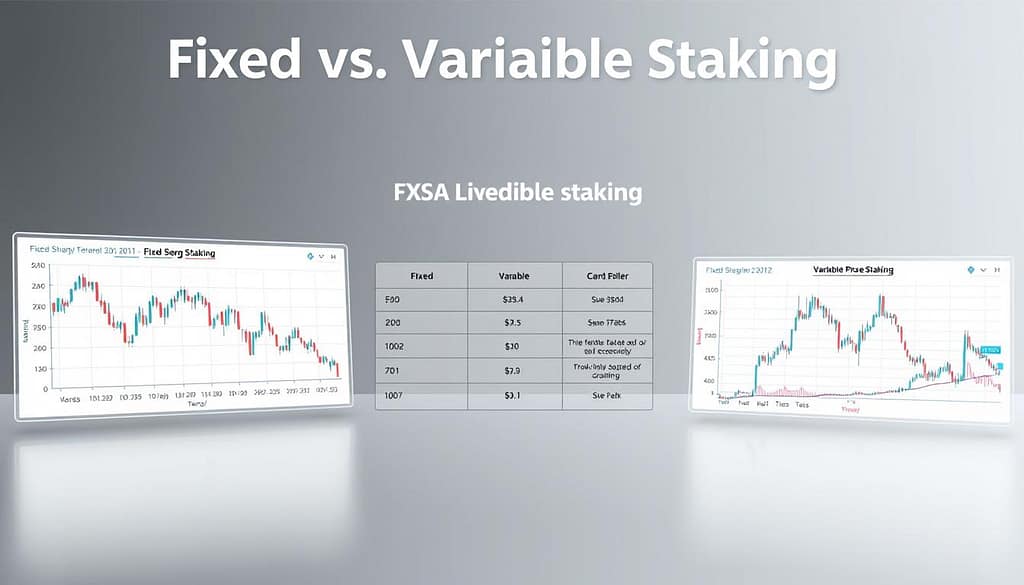
Variable staking, on the other hand, changes your bet size based on how sure you are and the odds. It’s like choosing how much to fight with, depending on the situation.
The best way to bet is to use 1-5% of your bankroll. This method is loved by pros because it balances risk and reward well:
- 1% bets for small chances
- 2-3% for good bets
- 4-5% for your best bets
Let’s look at an example. With $1,000, your bets could be:
| Confidence Level | Percentage | Bet Amount |
|---|---|---|
| Low Confidence | 1% | $10 |
| Medium Confidence | 3% | $30 |
| High Confidence | 5% | $50 |
This method stops you from betting too much on guesses. But it lets you bet more when you’re really sure. It’s about adjusting your risk based on how good you think your bet is.
Most pros like the 1-5% system because it keeps you safe while letting you grow your money. Betting $10-$50 on $1,000 is a good mix of bold and careful.
Fixed betting might seem safer, but it’s not as good. Would you invest the same in a safe stock and a risky startup? No. The same goes for staking plans.
The variable system knows that not all bets are the same. Some need more money than others. It takes more work and thinking, but it pays off in the long run.
Remember, betting all your money at once is a fast way to lose. Smart staking plans are about growing your money slowly and safely.
Kelly Criterion Explained
Imagine a formula so powerful, it’s used by Warren Buffett and pro poker players. The Kelly Criterion is like a betting crystal ball that really works.
This formula finds the best bet size based on your edge and bankroll. It’s like compound interest on steroids. When you have a big advantage, you bet more. When your edge gets smaller, you bet less.
The Kelly Criterion is mathematically elegant. The formula might look complex, but the idea is simple. Bet in proportion to your advantage. This is why card counters bet more when the deck is favorable and hedge funds invest more in their best bets.
Here’s why Kelly is a game-changer for serious bettors:
- It grows your bankroll over time while keeping risk low
- It adjusts bets based on your bankroll changes
- It stops you from betting too much during winning or losing streaks
- It gives a solid reason for your bet sizing choices
Platforms like RebelBetting include Kelly in their tools. This makes betting easier, as you don’t need to do complex math. These tools quickly figure out the best stakes, turning theory into profit.
Knowing Kelly Criterion sets pros apart from amateurs. It’s about precision, not guessing. For a deeper look, check out our Kelly Criterion guide for everything from basics to advanced uses.
The Kelly Criterion is more than a betting strategy; it’s a bankroll management philosophy. It teaches discipline and mathematical thinking. It changes how you bet, turning it into a smart investment in your future.
Avoiding Bankroll Pitfalls
Welcome to the world of betting, where smart people often make big mistakes. These mistakes are not just errors but deep-seated psychological issues. They would make even Sigmund Freud raise an eyebrow.
Emotional betting is like chasing your tail while setting your wallet on fire. It’s not just betting with your heart; it’s letting your emotions control your money decisions. When you start chasing losses, you’re heading into a financial trap.
Take “Mike from Denver” for example. He lost $2,000 in one NFL weekend. After two losses, he bet big on a Thursday night game to get back to even. Then, he bet even more on a college basketball parlay. By Sunday, he was betting on Australian rugby at 3 AM. This is not a strategy; it’s a desperate cry for help.

Arbitrary amount betting is like throwing darts blindfolded. Betting $47.83 on a Tuesday night game because “the numbers felt right” doesn’t make sense. It’s like using a Magic 8-Ball for planning your retirement.
Betting for entertainment is another big mistake. If you want fun, get a Netflix subscription. Sports betting should not be a $200 cover charge for excitement. Professional bettors don’t get adrenaline; they get spreadsheet updates.
Staying under the bookmaker’s radar is like playing hide-and-seek. When your winning patterns show, they’ll cut your limits fast. Betting clones—multiple accounts across different books—help you stay hidden.
Think of it as having multiple identities for math reasons. The goal is to spread your bets so no single book notices your winning streaks. It’s not cheating; it’s survival.
Good money management means treating your bankroll like priceless artifacts. Every bet is a careful decision, every stake an investment. If you lose discipline, you’re not betting; you’re giving money away.
Remember, the house is not just playing against you; they’re studying you. They know your patterns, your tendencies, and your emotional triggers. To avoid becoming a statistic, bet with the precision of a surgeon. Your bankroll is your operating capital; treat it as such.
Building a Long-Term Plan
Think of your betting career as building a medieval cathedral. You might not see it finished, but the foundation is key. The pros win over seasons, not just games, thanks to staking plans that are as precise as Swiss watches.
Your weekends are the best time for bankroll management. Saturday and Sunday have more games, giving you more chances to win. Monday to Wednesday are like casual meetings, not deep connections.
Never keep money locked up before games. That’s like dating someone who’s always busy. Keep your money working for you now, not waiting for later.
Top bettors use spreadsheets that would impress accountants. They track results to find out what works and what doesn’t. Your tracking should answer three key questions:
- Which sports/leagues actually profit over time?
- What bet types maximize your edge?
- When does variance masquerade as skill (or incompetence)?
The 60/40 mindset is key for pros. Expect to win 60% of bets and lose 40%. This mindset keeps you grounded, even when things go wrong.
Adjusting unit sizes based on performance is an art and science mix. Don’t bet too much when you’re winning, and don’t bet too much when you’re losing. The best staking plans adjust based on results, not feelings.
Your long-term plan should be like a constitution. It should be strong but also flexible. The bettors who last decades are the ones with systems that can handle ups and downs.
FAQs
Let’s tackle the questions you’re too shy to ask. It’s like pretending you know how to say “quinoa” at a fancy dinner.
Can I really cancel anytime? Yes, unlike that gym membership you’ve been paying for years. RebelBetting lets you cancel anytime. It’s like saying “it’s not you, it’s me” without the drama.
How can I be sure I’ll profit? RebelBetting’s profit guarantee means they take the risk, not you. It’s like having a financial safety net that works, unlike your cousin’s bad investment tips.
What’s the minimum starting bankroll? It varies based on your risk level and strategy. Always remember, never bet more than you can afford to lose, as the rookie bettor’s survival guide advises.
How do I stay under bookmakers’ radar? Vary your bet sizes and avoid obvious patterns. It’s like being a betting ninja – move quietly and strike smartly.
Why join betting communities like Discord? It’s like having a team of expert handicappers in your pocket. Their collective wisdom can spot opportunities you might miss alone.
What about responsible betting? Making money is good, but keeping your life in order is better. Set limits, take breaks, and never bet more than you can afford to lose.
| Common Concern | Reality Check | Pro Tip |
|---|---|---|
| Starting with small bankroll | Perfectly normal for beginners | Use percentage-based staking |
| Fear of losing streaks | Inevitable part of betting | Never chase losses |
| Bookmaker restrictions | Sign you’re doing well | Spread action across books |
| Community value | Massive advantage | Join RebelBetting Discord |
| Profit expectations | Long-term game | Focus on process over results |
The key question isn’t “How much can I make?” but “How long can I keep this up?” Your bankroll strategy is what makes you a consistent winner.
Remember, smart betting is about being steady, not quick. It’s about keeping your vacation fund safe, not risking it all.
Conclusion
Let’s be honest: managing money in betting is not exciting. It’s not as thrilling as a quick win. But, it’s key to success, turning gambling into a smart investment.
This isn’t about luck; it’s about discipline. Treat your bankroll like a Wall Street trader does their portfolio. Not like lottery tickets. Data shows that smart strategies win over emotional bets every time.
The goal is not a quick win. It’s steady, consistent growth. That’s the secret. Embrace the boring side of money management. Your future self will thank you for it.